Every diversity initiative that lands at the offer stage is too late. By then, the pool is already narrow. The shortlist is a copy of last quarter's shortlist.
Teams keep working the funnel downstream of that. Different interviewer panels, more inclusive JD language, a structured rubric in the final round. Useful work, but it can only act on whoever made it through sourcing in the first place.
Diversity outcomes are set at the input layer: the proxies you screened for, the channels you searched, the JD you shipped, the criteria you applied.
Diversity sourcing is the practice of designing those inputs so candidates surface by skill, not pedigree.
Below are five moves that fix the inputs without lowering the bar, plus the Metaview surfaces that apply the same evaluation criteria to every candidate from first scan to final scorecard.
The 5-move diversity sourcing playbook.
Five moves carry the playbook. The first four reshape what reaches your shortlist. The fifth holds the criteria steady once it gets there.
Each move is small on its own. Together they widen the surface and hold the bar.
The proof for the last one isn't theoretical. Workleap's recruiting team cut screening time in half after wiring the same skill rubric into every applicant review. Same bar applied consistently, with the friction stripped out.
1. Define the role by skill + outcome, not pedigree.
The ICP is where bias gets baked in earliest. School names, company brand tiers, years-of-experience floors, "must have shipped at a Series B SaaS." Each one is a proxy for capability, not a measure of it.
Replace the proxies with skill and outcome. What does success look like at 90 days, six months, twelve months? Which capabilities produce those outcomes? What evidence shows the candidate can do it: a portfolio, a take-home, a behavioral interview, a reference check?
Worked example. "Senior software engineer at a Series B SaaS, 5+ years, CS degree from a top school" becomes "Engineer who has shipped a multi-tenant system at scale, can defend architecture trade-offs live, and can debug a production incident under time pressure."
The second version names what you need. The first names who you usually hire.
2. Spread the channels and communities.
Most sourcing pipelines are a LinkedIn boolean string on repeat. LinkedIn is one channel of many. The candidates who aren't in that boolean sit outside it entirely.
Widen the search surface deliberately. Employee resource group networks, returnship programs, community forums, regional conferences, niche job boards by function, alumni networks from non-target schools, remote-eligible postings that pull from time zones you don't usually staff.
Each new channel surfaces a different slice of the qualified talent pool. None of them lower the bar; they widen the input.
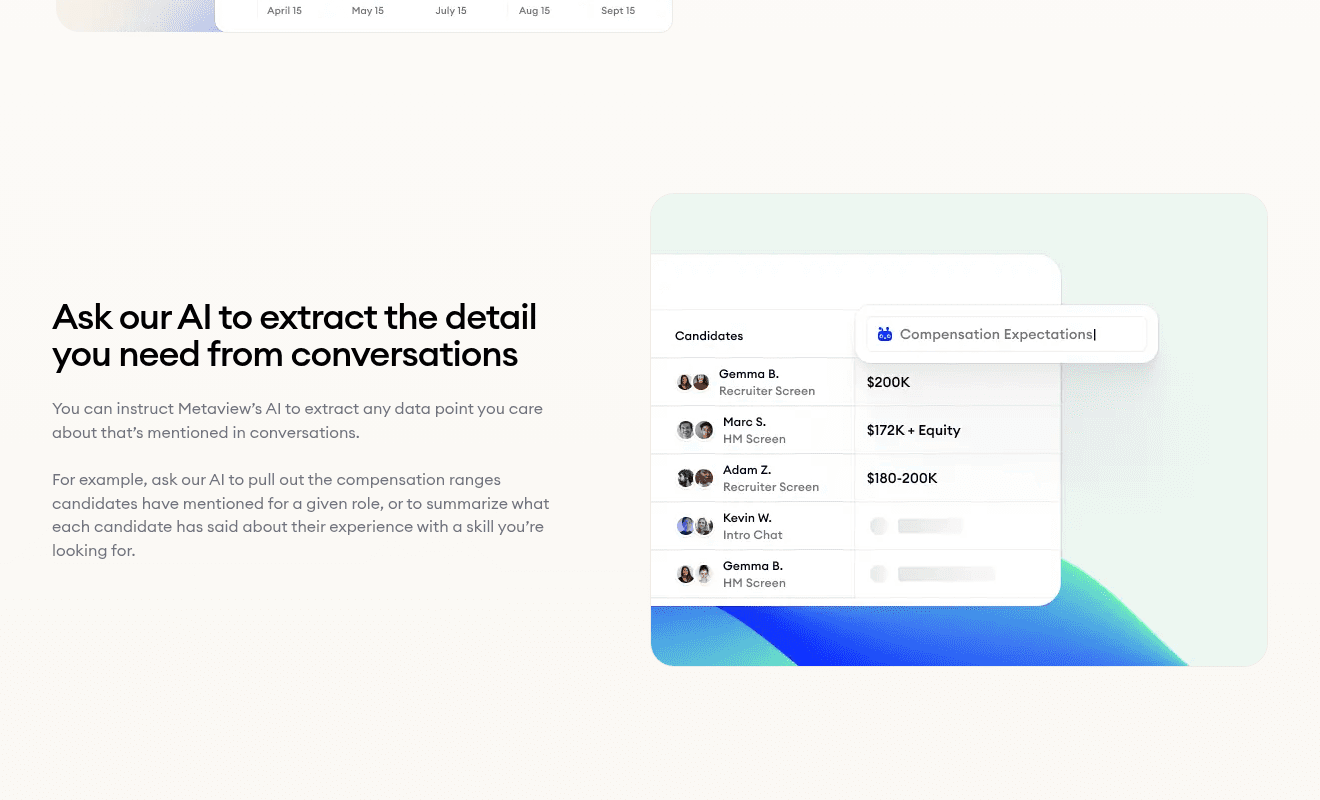
- 1Natural-language brief replaces Boolean shortcuts, so the search runs against actual requirements.
- 2Filters compose across multiple sources at once, including profiles your team hasn't touched in months.
- 3Each result carries the reason it fits, so the recruiter can defend the channel choice without re-running the search.
3. Write JDs around outcomes and core skills.
The JD is the first filter most candidates encounter, and it filters before they apply.
Wishlist requirements ("10+ years," "MBA preferred"), exclusionary slang ("rockstar," "ninja"), and a pedigree-as-shorthand register all telegraph who the role is for. Candidates who don't see themselves in the JD don't apply.
Outcomes-led JDs flip the order. Lead with what the new hire will accomplish in the first 90 days. Name the 3-4 core capabilities. Move the years-of-experience floor and the credential bullets to the bottom, or cut them.
Outcomes-led JDs consistently widen qualified inbound by two to three times without lowering the bar. The additional candidates have the skills, they just didn't pass the pedigree filter on the first pass.
4. Build diverse pools and measure progress at the input layer.
Diverse hires require diverse shortlists. Diverse shortlists require diverse pools. Diverse pools require diverse sourcing. The metric that matters lives at the input, not the offer.
Build the hiring pool with intention. Cohort by role family, by function, by skill cluster. Pull from past sourcing passes that didn't convert. Refresh the pool on a cadence, not on demand.
Track four inputs every week. Channel mix: what percentage of the pool came from which source. Shortlist composition: how the shortlist compares to the pool.
Stage-to-stage progression: whether candidates from underrepresented groups drop out at the same rate as the rest, or higher. Time-to-shortlist by channel: which sources are producing qualified candidates fast, and which are dragging.
If the metrics surface at hire only, the data is lagging by months. Surface them at sourcing, and the next req's pool can correct in days.
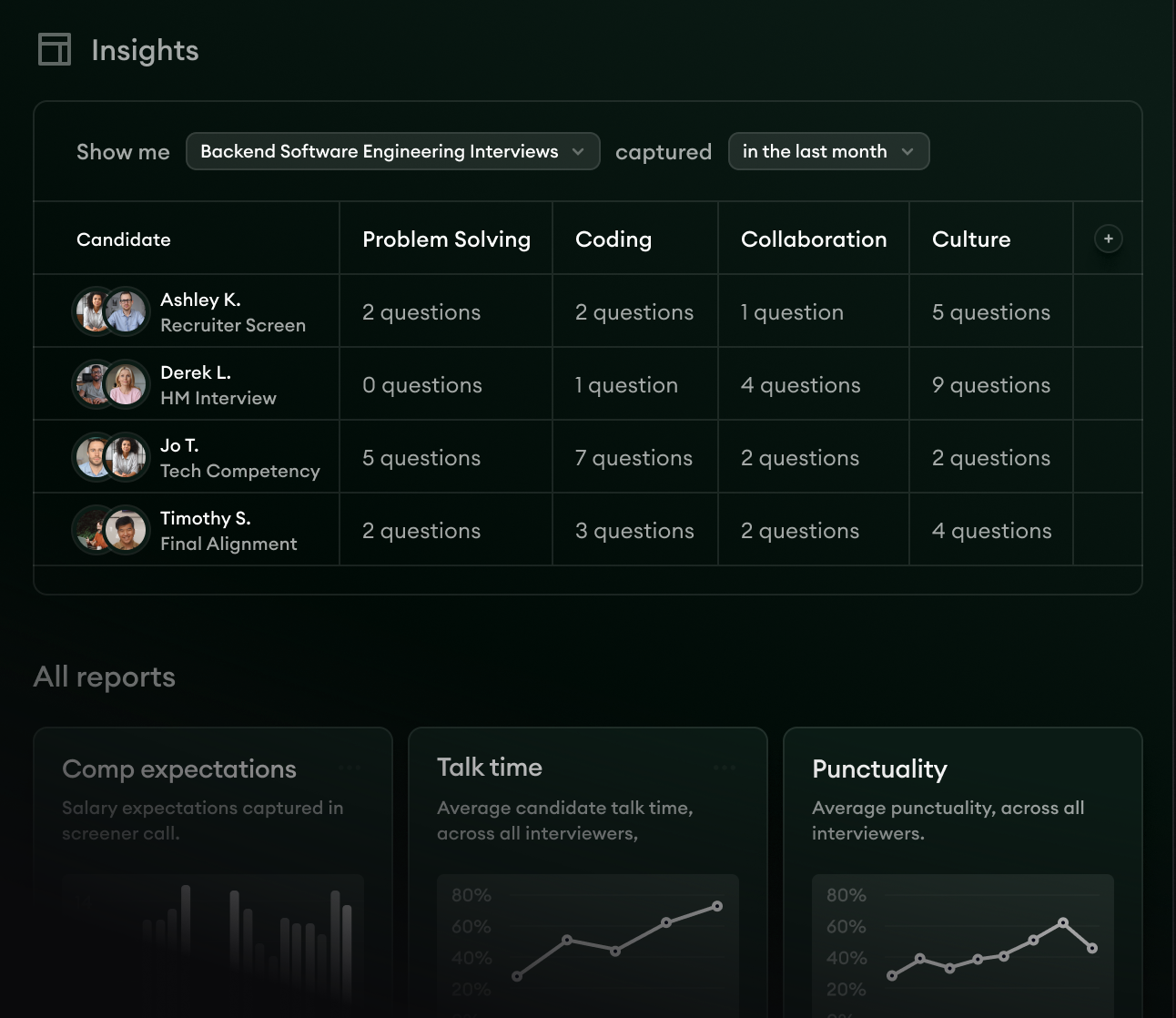
- 1Per-competency capture across every candidate, so progression-rate drift surfaces by skill.
- 2Channel-by-channel breakdown makes the underperforming source visible before another quarter passes.
- 3Shortlist composition trends week over week, paired with rubric scores that drove each progression decision.
5. Apply the same evaluation criteria to every candidate.
Bias doesn't only enter at sourcing. It re-enters at every evaluation step where the criteria drift, which is why interviewer bias stays in the post-sourcing failure list every year.
When one interviewer asks a different question. When one reviewer reads the resume against a different mental model. When one scorecard captures evidence and another captures impression.
Same criteria, every candidate. Same skill rubric, same scoring, same evidence requirement, applied from first scan to final scorecard.
This is where Metaview lives.
Our AI Sourcing agent scans against the role's requirements rather than a Boolean shortcut.
Our Application Review applies the same triage rubric to every inbound application, so the first 200 candidates and the last 200 get evaluated the same way.
Our Notetaker captures structured scorecards against the same rubric in every interview, so the evidence backing each progression decision is comparable across candidates, not anchored on "feel."
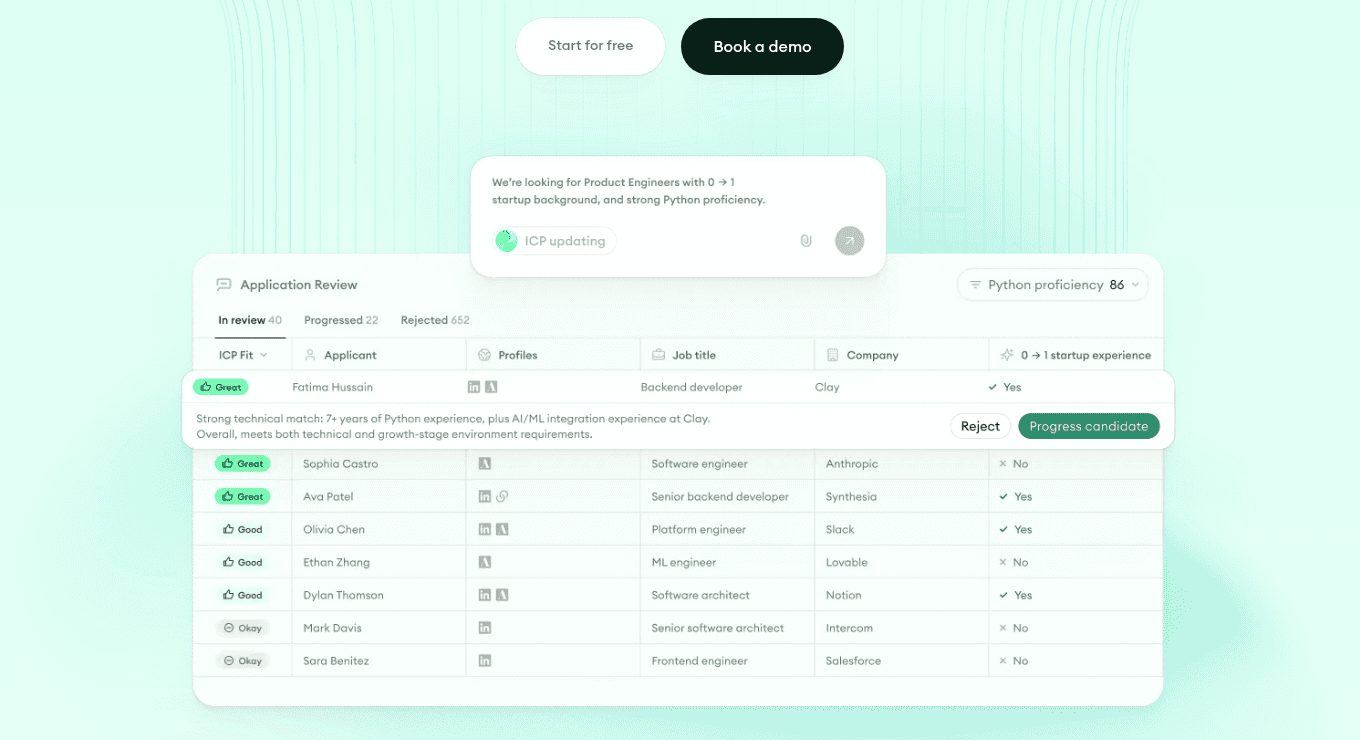
- 1Every applicant gets the same ICP fit assessment, so triage doesn't drift between batches.
- 2Reasoning trail behind each progression decision, so the criteria are auditable, not opaque.
- 3Fraud and AI-generated-resume flags pulled from pattern signals, applied consistently across the inbound.
The orgs that close the diversity gap aren't the ones with the strongest intentions. They're the ones with the systems that hold the criteria constant from one candidate to the next.
It quickly becomes difficult to manage. Especially if you want to give every candidate a fair and thoughtful review.”

What changes when you fix the inputs.
Pipeline composition shifts within one or two sourcing cycles. New channels start producing qualified candidates the team didn't see last quarter.
Outcomes-led JDs widen inbound without flooding it with noise. Shortlists start carrying candidates whose paths didn't match the old pedigree filter but whose skills match the role.
Hiring outcomes follow once three or four cohorts have moved through interview against the same rubric. Hiring managers see candidates they wouldn't have considered last year, evaluate them against the same skill evidence, and make decisions they can defend in writing.
The downstream payoff is the one diversity initiatives were supposed to produce all along: fairer comparisons, stronger discussions, defensible decisions, and a team that looks measurably different from the one you started with.
Five moves, repeated per req, that turn a diverse-hiring aspiration into a diverse-hiring operating model. Widen the surface. Hold the bar. Same criteria, every candidate.
Bring Metaview into your hiring stack.
Live notes, structured scorecards, and ATS sync - set up in under 10 minutes.
Frequently asked.
What's the difference between diversity sourcing and diversity hiring?
Sourcing sets the top-of-funnel inputs: channels, JD language, ICP definition, screening criteria. Hiring is the final-stage decision against whoever made it through. Diverse hires require diverse shortlists, which require diverse pools, which require diverse sourcing. Sourcing is where the inputs are still changeable. Hiring is where they're already locked in.
Does this approach lower the hiring bar?
The opposite. Pedigree proxies (school name, company brand, years floor) lower the bar by gating capable candidates out before evaluation. Applying the same skill criteria to every candidate is the same bar, applied consistently. The bar moves to skill evidence and outcome, exactly where a hiring bar belongs.
How do you measure progress on a diversity sourcing strategy?
Four inputs, every week. Channel mix (where the pool came from), shortlist composition (how the shortlist compares to the pool), stage-to-stage progression rates (whether drop-off rates are even across groups), and time-to-shortlist by channel (which sources move fastest). The metric that matters lives at the input layer, not at the offer.
Which Metaview surfaces help with diversity sourcing, and how?
AI Sourcing scans against role requirements rather than Boolean shortcuts, so the search runs against skills instead of keyword pedigree. Application Review applies the same triage rubric to every inbound application across our supported ATSes, so the first batch and the 200th get the same evaluation. Notetaker captures structured scorecards in every interview against the same rubric, so the evidence backing each progression decision is comparable across candidates.
How quickly do diversity sourcing changes show up in hiring outcomes?
Pipeline composition shifts within one or two sourcing cycles, usually a few weeks. Hiring outcomes follow once three or four cohorts of candidates have moved through interview against the same rubric, which typically takes a quarter or two depending on hiring velocity. The earlier the metrics surface at sourcing, the faster the corrections compound.