
I sat down with Blake Stockman, a technical recruiting leader who ran the function at Uber, Flexport, and Y Combinator, to talk about what makes a successful partnership between recruiting and engineering. We taped that conversation in late 2022. Three years later, the thesis still holds: trust between recruiters and engineering leaders is the most important variable in hiring. What's changed is the toolkit. AI now does the work that used to sit between intake calls and shortlists, and that changes how recruiters spend their hours, not why they exist.
The numbers behind that shift are loud. 79% of high-performing recruiting teams say hiring-manager alignment is the single biggest driver of hiring success, according to Metaview's 2026 AI & Hiring Alignment Report, surveying 505 recruiting leaders and hiring managers across North America and EMEA. 36% of recruiting leaders cite AI-augmented recruiters as their top investment for the next 12 months, and the teams that have already made the move report 3x more hires moving past first-round interviews than their peers. 85% of recruiting leaders say AI has changed how they partner with hiring managers, not whether they partner at all.
Blake's playbook from 2022 reads like a forecast. The mechanics he described (default-yes trust, scrappy speed, data-driven kickoffs) are the exact terrain AI is reshaping today. This refresh keeps his framing intact and updates the toolkit for what recruiters are actually using in 2026.
Earning engineering leaders' trust is still everything
Blake put it when we taped the conversation: "Recruiting is fundamentally a partnership function, and there's little you can do without a healthy relationship with who you're hiring for. If you have a good partnership with your hiring leader, most other things are solvable." That sentence ages well. In 2026, the relationship is still the unlock. What’s different is that engineering leaders now have their own AI tooling and their own opinions on what AI can and can’t do in hiring. They also have a sharper sense for when a recruiter is using the toolkit well versus papering over the work.
Trust still has to be earned the same way: with data-driven, forward-thinking processes that anticipate needs and give engineering leaders peace of mind that the goal will be met. The bar is higher now because engineering leaders see the same dashboards you do, often before the recruiter does. If the pipeline is thinning, they know. If pass-through rates dropped after last week's debrief calibration, they know that too. The opacity that protected mediocre recruiters in 2022 is gone.
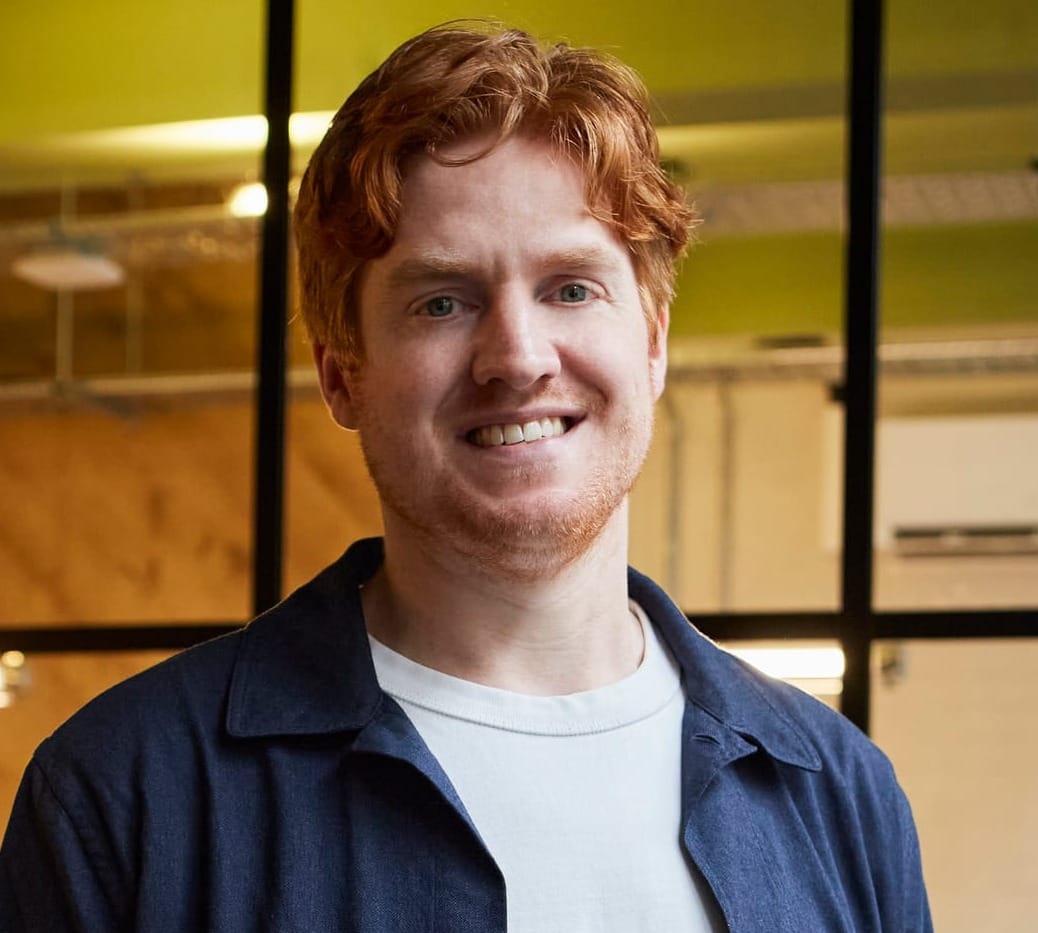
Trust is something you have to build with these engineering leaders because they've almost certainly been burned by recruiters in the past.”
The recruiters who clear that bar today are the ones who treat their data as a shared surface. Live interview notes in front of the engineering lead, structured scorecards that match the rubric the team actually uses, and pass-through dashboards in Reports that engineering can pull without asking. When the data is live and shared, the recruiter doesn't have to argue for the partnership. The work argues for itself.
What the "default yes" relationship looks like now
Blake's tell-tale sign of a strong partnership was the "default yes" response: "when you ask your hiring manager for something they know it's coming from a place of need and well-reasoned thought, so they default to saying yes immediately." That stayed true. What changed is what recruiters are asking for. In 2022 the asks were calendar time, debrief structure, and pipeline reviews. In 2026 the asks include things like: change the rubric weighting on system design, let me run a second sourcing agent on a different angle, or can we pre-screen with a take-home before the live coding round.
Each of those asks lives downstream of intake data the recruiter holds. If the recruiter walks into the conversation with the call recording, the rubric history, and the past four weeks of pass-through cuts, the engineering leader's job is to weigh tradeoffs, not to second-guess the premise. That's what default-yes looks like now. The recruiter brings the evidence, the engineering leader brings the judgment, and the meeting moves in 10 minutes instead of 45.
- Intake calls captured in memory and a recruiter's notes doc, often misremembered by week two
- Weekly pipeline reviews that surface problems after the candidates already dropped out
- Debrief calibration based on whoever spoke loudest, not what the scorecards actually said
- "Default yes" required years of trust capital with each new hiring leader
- Intake call captured live and converted to a working rubric the engineering lead can edit before the first interview
- Real-time pass-through and signal data the engineering team can pull at any moment
- Debrief calibration tied to the rubric and the actual transcript, with the recruiter holding the evidence
- "Default yes" earned in weeks, because the data does the persuasion
Play to your strengths: the 2026 version
Blake's 2022 line: "For startups that don't have monumental brands like Google or Facebook, the key to success is urgency, scrappiness, and willingness to try new things." Still true. What's different is that urgency and scrappiness are now table stakes for everyone. The big-brand recruiting teams adopted AI sourcing and live notes before most startups noticed, and the gap in cycle time that startups used to exploit has narrowed.
The new edge is interview quality and signal density. A startup recruiter who runs a tight intake, captures every interview with structured notes, and feeds a clean rubric back to the engineering lead is now competing on craft, not speed. The teams that win in 2026 are the ones who turn every interview into better data for the next interview, the next debrief, and the next role. For more on what high-signal interviewing looks like in practice, see our notes on good interviewer, bad interviewer. That's the compounding loop the strongest engineering leaders care about.
Blake's other 2022 point on decentralized, team-led hiring still works, with one update: decentralization only scales if the data infrastructure is centralized. Letting every engineering team own its own hiring without a shared rubric, shared interview-quality data, or a central view of pass-through is the trap. That’s how startups end up with 30 different definitions of “great engineer“ by the time they hit 100 employees. Centralize the data, decentralize the decisions. That's the 2026 model.
Data stopped being a weekly report
Blake's third pillar in 2022 was data. "All of the best companies I've worked with place a high importance on data and build everything based on what they're seeing." The principle holds; the cadence has collapsed. Weekly pass-through reports were the gold standard in 2022. In 2026, the engineering leaders Metaview customers partner with check pass-through, sourcing yield, and interview signal in Reports on the same day a problem appears.
Blake recommended tracking time-to-hire and pass-through rates as the foundation. Those are still the right metrics. What's added is per-interview signal data: how often a competency comes up, how the rubric weights compare to historical hires, where in the funnel candidates drop off and why. The recruiters who use this data well don't dump dashboards on engineering leaders. They walk in with the two numbers that changed this week, the hypothesis for why, and the proposed adjustment.
The reason this matters for the partnership: engineering leaders trust recruiters who close the loop. If a recruiter flags a pass-through drop on Monday, proposes a rubric adjustment on Tuesday, and shows the corrected pass-through curve two weeks later, that's the data-driven partnership Blake described. The recruiters who don't close the loop end up back in feelings-based debriefs within a quarter.
Where AI gives recruiting teams use
Run multiple sourcing angles in parallel from the same intake call. The engineering lead sees the candidate pool widen without the recruiter doubling their hours.
Rank applicants against the rubric the engineering lead actually signed off on. Triage that used to take a recruiter half a week now happens before the standup.
Capture every intake call and every interview as structured notes. The engineering lead reads the rubric calibration in two minutes instead of sitting through a 30-minute debrief.
Pass-through, signal density, and time-to-hire in a live view. The recruiter and engineering lead see the same numbers, so the conversation is about tradeoffs, not whose data is right.
The use isn't in any one product. It’s in the loop they create together: intake captured cleanly, sourcing matched to the intake, and applications ranked against the rubric the engineering lead actually signed off on. From there, interviews get captured live, scorecards fill from the transcript, debriefs anchor to the evidence, and Reports closes the loop the next week. That's what every customer running Metaview's stack reports back: less recruiter time on coordination, more recruiter time on the partnership work that engineering leaders actually value.
Read the full data set in the 2026 AI & Hiring Alignment Report. The pattern is consistent across every cohort: the teams investing in the recruiter-hiring-manager partnership are the teams pulling away on hire quality and time-to-hire at the same time.
Recruiting is oftentimes the biggest expense for any company, so it's a huge area of responsibility that recruiters have. If we can become more data driven, I think that's a win for everybody.”
The operating shift
If you take Blake's framework and run it through 2026, the operating shift looks like this. Three moves, none of them dramatic on their own, all of them compounding.
One: treat the intake call as the most important meeting in the loop. Capture it in Notetaker, convert it to a working rubric, and let the engineering lead edit it before the first interview. Everything downstream (sourcing, applications, interview design, debriefs) is built on what came out of that 45-minute conversation. Treat it accordingly.
Two: make the data live, not weekly. Pass-through, sourcing yield, and signal density in Reports, visible to recruiter and engineering lead at the same time. The recruiters who do this well stop showing up to bi-weekly syncs with surprise news. The engineering leaders trust them because the data trusts them.
Three: bring the evidence to every disagreement. When the engineering lead pushes back on a candidate, the recruiter has the transcript, the rubric score, and the comparable hires from the last quarter. When the recruiter pushes back on a hiring decision, same thing. The argument moves from feelings to evidence in 30 seconds. That's how default-yes gets earned in weeks, not years. For the deeper read on what AI-augmented interviewing looks like in practice, see Claude for recruiters.
Blake's closing words from our 2022 conversation: "Start using data, operationalise how you'll use your systems, then send that data back to your hiring teams." The advice held for three years. With AI doing the operationalizing, the recruiters who follow it now have use Blake didn't have. The partnership thesis was always right. The toolkit caught up.
Bring Metaview into your hiring stack.
Live notes, structured scorecards, and ATS sync - set up in under 10 minutes.
Frequently asked questions
What's the single biggest predictor of a strong recruiter-engineering partnership?
Shared data. Engineering leaders trust recruiters who walk in with the rubric, the pass-through trend, and the comparable hires already in hand. Trust gets built faster when the recruiter brings the evidence to every conversation, not just the difficult ones.
How does AI change the intake call?
The intake call is now captured live, converted to a working rubric, and editable by the engineering lead before the first interview. Everything downstream (sourcing, application review, interview structure) ties back to what came out of that conversation. Treating intake as the source of truth makes the rest of the loop tighter.
Should startups still run a decentralized hiring model?
Yes, with one update from Blake's original advice: centralize the data infrastructure even when decisions are decentralized. Without a shared rubric and central pass-through view, teams end up with 30 different definitions of "great engineer" by the time they hit 100 employees.
What metrics matter most to engineering leaders today?
Time-to-hire and pass-through rates are still the foundation, the same as Blake described in 2022. What's added is per-interview signal density: how often a competency comes up, how rubric weights compare to historical hires, and where in the funnel candidates drop off. Live views beat weekly reports.
How long does it take to earn "default yes" from an engineering leader?
In 2022 the answer was years of trust capital. In 2026 it's weeks, because the data does the persuasion. Bring the rubric, the transcripts, the pass-through trend, and the comparable hires to every conversation. The engineering lead's job becomes weighing tradeoffs instead of second-guessing the premise.


